
How to Dispose of Branded Stock Securely
How UK businesses can dispose of branded stock and unsold inventory securely and sustainably — protecting brand integrity and cutting waste.
RECYCLING ARTICLES
Marketing Team
4/3/20266 min read
Understanding the Challenges of Disposing Branded Stock
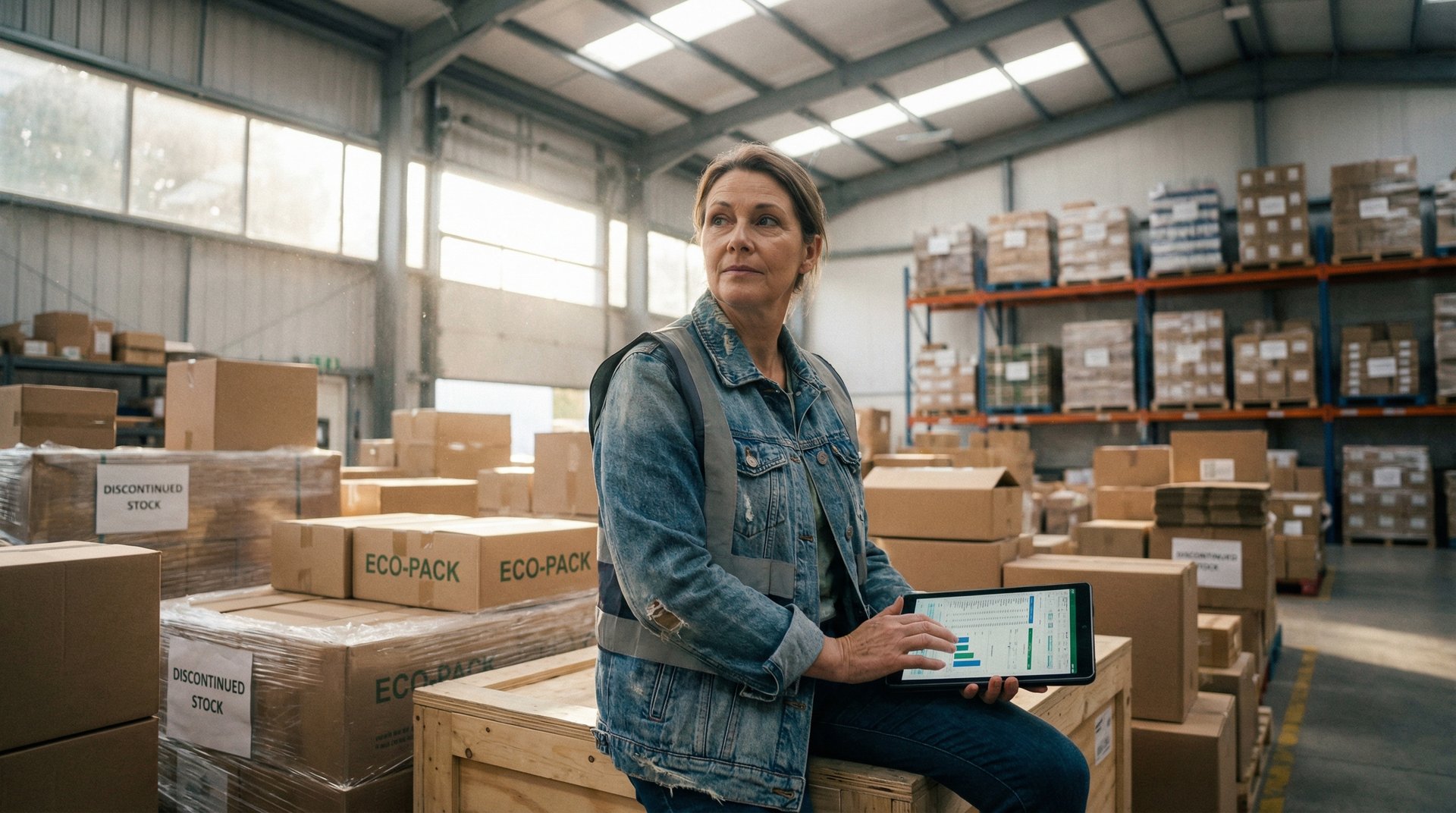
Faulty returns, discontinued lines, overstock - branded stock disposal sits at one of the most uncomfortable intersections in retail operations. Get it wrong and you're facing brand damage, regulatory exposure, or a landfill headline nobody wants attached to their sustainability report.
The pressure is intensifying. The EU's new circular economy regulations now prohibit large retailers from destroying unsold clothing and textiles outright - a policy shift that signals where global standards are heading. For sustainability managers, this isn't a distant concern; it's a strategic planning issue right now.
Branded inventory carries a dual burden: protecting intellectual property and brand identity while simultaneously meeting ESG commitments. Simply landfilling or incinerating unsold stock sidesteps both responsibilities. What's needed instead is a circular approach to textile waste that's accountable, auditable, and genuinely sustainable.
Getting there starts with understanding what responsible disposal actually requires - and that means getting the groundwork right before any stock moves.
Essential Prerequisites for Disposal Planning
Before any branded unsold inventory reaches a disposal route, a structured planning phase can mean the difference between a compliant, circular outcome and a costly misstep. Skipping this groundwork is where many sustainability managers run into trouble.
A practical first step is conducting a full stock audit - categorising items by condition, brand sensitivity, material composition, and volume. This classification shapes which disposal pathways are even viable. For example, items carrying visible logos require different handling than generic overstock, while textile-heavy lines may qualify for responsible recycling pathways that recover fibre value rather than simply destroying it.
Regulatory awareness is equally non-negotiable. The EU's evolving circular economy framework - which now targets the destruction of unsold goods under new rules taking effect from 2026 - is reshaping what "acceptable disposal" looks like, even for businesses outside the EU serving global supply chains.
Documentation protocols should also be established upfront: chain-of-custody records, certificates of destruction, and material diversion data are increasingly expected by auditors, brand partners, and investors alike. With these prerequisites in place, the question shifts from whether to dispose responsibly to how - which is exactly where secure disposal methods come in.
Secure Disposal Methods for Unsold Inventory
Once the planning prerequisites are in place, the question becomes practical: which disposal method is right for which type of stock? Managing excess inventory securely isn't a one-size-fits-all operation - the right route depends on the material, the brand risk involved, and the sustainability outcome you're targeting.
The core disposal methods typically fall into three categories:
Secure destruction - shredding or granulating branded items to render them unrecognisable, with a documented audit trail confirming destruction
Certified recycling - processing materials through verified recycling streams while maintaining chain-of-custody records
Controlled redistribution - donating or liquidating stock through vetted channels that protect brand integrity
For sustainability managers focused on circular outcomes, the hierarchy matters. Destruction should only follow when other routes are genuinely exhausted. In practice, even heavily branded or faulty garments can often be processed through secure textile recycling pathways that safeguard IP while diverting waste from landfill.
What's non-negotiable across all methods is documentation. A certificate of destruction or recycling isn't just administrative housekeeping - it's your compliance evidence, your ESG reporting asset, and your brand protection mechanism rolled into one.
With destruction and recycling protocols established, the next consideration is maximising the circular value of stock that can be recovered - which is where upcycling and sustainable alternatives come in.
Sustainable Alternatives: Recycling and Upcycling
Once secure disposal is handled, the next question for sustainability managers is how to keep materials in productive use - and out of landfill. This is where circular approaches genuinely shine, and where thoughtful inventory management separates forward-thinking brands from those still defaulting to destruction.
Recycling and upcycling aren't interchangeable. Recycling breaks materials down into raw feedstocks - shredded textiles become industrial wipers, acoustic insulation, or fibre fill. Upcycling preserves more of the material's value, transforming unsold garments or branded goods into new products without full reprocessing. Both routes reduce waste, but upcycling typically delivers a stronger sustainability story.
A common pattern is that brands underestimate what's recoverable - excess stock that seems worthless often contains materials with genuine secondary market value.
In practice, sorting quality determines outcomes. Contaminants like mixed fabrics or hardware can disqualify entire batches from higher-value streams, so pre-processing material assessment is worth building into your process early.
The right partner makes these options accessible - and that's exactly what to consider next.
Choosing the Right Disposal Partner
With secure destruction and circular alternatives both on the table, the next challenge is finding a partner who can deliver on both fronts simultaneously. Not every vendor handles branded stock with the rigor it demands - and the difference between a compliant, auditable process and a poorly managed one can expose a business to significant reputational and regulatory risk.
The right partner should offer more than just collection. Look for documented chain-of-custody processes, verifiable destruction certification, and clear reporting on downstream material outcomes. For sustainability managers exploring stock liquidation alternatives to straightforward disposal, it's equally important that a partner can demonstrate where materials go after collection - whether that's fibre recycling, repurposing, or energy recovery.
A common pattern is that businesses underestimate how much disposal method and partner capability overlap. A specialist in secure uniform and branded textile disposal will typically offer both destruction and diversion options under one framework, simplifying compliance considerably.
Evaluate partners against your own commitments to responsible business practices - their process should align with your reported sustainability metrics. Real-world performance looks different from theoretical capability, so request case-specific examples before committing.
Case Study: Successful Disposal of Branded Stock
Example scenario: A mid-sized clothing retailer is sitting on 8,000 units of discontinued branded workwear - garments carrying embroidered logos and proprietary colorways that can't simply be donated or liquidated without brand risk. The sustainability manager needs a sustainable disposal solution that satisfies both the legal team and the CSR report.
The approach that works in practice follows a clear sequence. First, a certified destruction partner is engaged to photograph and document the collection before processing - creating the audit trail compliance demands. Next, materials are sorted: intact garments go to verified reuse channels, while heavily branded or damaged items are processed through industrial shredding and fibre recovery.
The result is measurable: waste diverted from landfill, documented chain-of-custody records, and recyclable fiber re-entering manufacturing supply chains.
What this scenario illustrates is that secure and circular don't have to be competing priorities. A structured process makes both achievable - though it's worth understanding where practical limitations can still arise.
Limitations and Considerations
No disposal approach is without trade-offs, and sustainability managers should factor these into planning before committing to a single route.
Secure destruction, while effective at protecting brand integrity, does carry environmental costs even when handled responsibly. Shredding or grinding textiles produces mixed fibre waste that's harder to recycle than intact garments. Partnering with a certified provider who converts shredded material into industrial fibre or insulation mitigates this, but it's worth confirming exactly where post-shred material ends up - not all operators offer the same downstream outcomes.
Circular alternatives like donation or resale come with their own complications. Heavily branded or faulty stock may not meet quality thresholds for charitable redistribution, and removing embroidered logos at scale can be cost-prohibitive. The regulatory landscape is also shifting fast - new EU rules targeting unsold goods destruction may reshape supply chain decisions globally, including for UK-based exporters trading with European partners.
The honest reality: there's rarely a single perfect solution. Most effective programs blend methods - secure destruction for compromised branded units, textile recycling for faulty stock, and resale channels for anything salvageable. Understanding these limitations upfront helps avoid costly missteps. Still have questions about which approach fits your situation? The next section addresses the most common ones directly.
Frequently Asked Questions
Can branded stock be recycled without being landfilled? Yes. Eco-friendly recycling routes exist for most branded textiles, including fibre recovery, industrial wiping cloth conversion, and material downcycling. The key is working with a provider that can confirm the garments are fully processed - not simply baled and exported - so you have a verifiable audit trail rather than a disposal assumption.
Is secure destruction and sustainability mutually exclusive? Not necessarily. Shredding or cutting branded items before recycling satisfies both brand protection requirements and diverts material from landfill. What matters is that the destruction process feeds into a recovery stream rather than ending there.
What documentation should I request from a disposal partner? Ask for a waste transfer note, a certificate of destruction where relevant, and confirmation of the downstream recycling destination. Stock & Product Solutions for Retailers outlines how responsible providers structure this chain of custody.
Do these rules apply to my business now? If you export to or operate within EU markets, regulatory timelines are already in motion. Planning disposal frameworks today puts you ahead of compliance pressure tomorrow - exactly what the next section's key takeaways will help you consolidate.
Key Branded Stock Disposal Takeaways
Disposing of branded stock and unsold inventory securely and sustainably isn't a single decision - it's a framework of interconnected choices that balance brand protection, environmental responsibility, and regulatory compliance.
Here's what matters most:
Circular solutions exist for almost every scenario. Donation, fibre recovery, chemical recycling, and upcycling can all divert branded stock from landfill without compromising IP security.
Audit trails are non-negotiable. Whatever route you choose, documented proof of destruction or diversion protects the brand and satisfies growing stakeholder expectations.
Regulation is tightening. New EU rules banning the destruction of unsold textiles signal a global direction of travel - building circular disposal into standard operations now avoids costly retrofitting later.
No single method fits all inventory. The right approach depends on fabric type, brand sensitivity, volume, and available logistics infrastructure.
The sustainability managers who navigate this best treat branded stock disposal not as a compliance checkbox, but as an active contribution to a circular economy. That shift in framing - from problem to opportunity - is where lasting impact begins.
Follow Us
Company Number: 15482817
Preserve Earth, 2025. All Rights Reserved.